

Views: 0 Author: Site Editor Publish Time: 2026-10-15 Origin: Site


Why do designers choose acrylic instead of glass for modern displays and interiors? Acrylic Sheet combines clear viewing, lower weight and flexible fabrication options for suitable applications. In this article, you’ll learn its key advantages, practical uses and selection factors when replacing glass.
Acrylic generally weighs about half as much as glass at equivalent dimensions. This reduces handling demands during transportation, assembly and repositioning. The difference becomes useful for exhibition fixtures and large display panels. However, compare complete designs because acrylic may require different thicknesses or supports. Lower material weight does not eliminate installation planning.
Clear viewing helps merchandise, graphics and decorative details remain the main focus. Acrylic can provide a glass-like appearance without the same handling weight. Light transmission alone does not describe overall viewing quality. Buyers should also inspect haze, surface marks and distortion. Evaluate samples using the intended viewing distance and lighting arrangement.
Acrylic sheet impact resistance makes it useful where accidental knocks are a concern. Manufacturer comparisons identify improved impact performance against ordinary glass. However, ordinary, tempered and laminated glass behave differently. Acrylic can still crack or break under unsuitable loading. Select the material using the expected impact conditions and required product performance.
Custom displays often need curves, shaped edges or precisely positioned openings. Acrylic supports several fabrication methods, depending on its grade and finish. Likebond’s transparent product information includes cutting, engraving, CNC machining and thermoforming. This flexibility supports customized display components. Confirm processing suitability before applying the same methods to decorative specialty sheets.
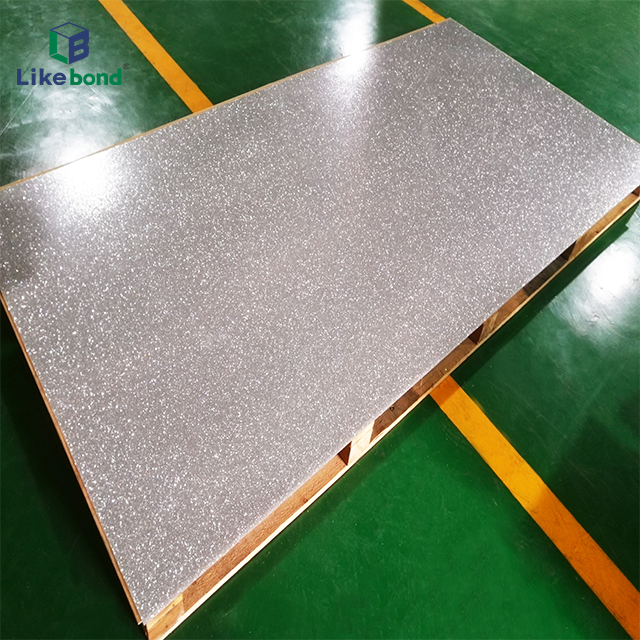
Acrylic also provides design options beyond transparent panels. Likebond’s Plexiglass Sparkle Acrylic Sheet incorporates glitter particles into a PMMA base. Its listing offers customizable colors and thicknesses from 1–8 mm. These sheets suit visual accents where sparkle matters more than unobstructed viewing. Choose decorative effects according to the product’s purpose.
Outdoor signs need materials that retain an acceptable appearance during exposure. Weather resistance therefore matters alongside clarity and fabrication options. However, resistance to yellowing differs from filtering ultraviolet light. Request documentation for the selected grade and exposure conditions. Avoid transferring another supplier’s outdoor warranty to a different acrylic product.
Tip: Rank weight, visibility, impact and surface wear before selecting the acrylic grade.
Acrylic sheet for outdoor signs must match the intended lighting and exposure. Illuminated sign faces may need diffusion rather than simple transparency. The supplied Jumei reference identifies advertising and signage among its applications. For any supplier, approve samples using the actual lighting system. Check color, brightness and visible hotspots before production.

Acrylic sheet for display cases combines clear viewing with manageable handling. Likebond’s Transparent Acrylic Sheets identify display cases and exhibition boxes among their uses. For temporary fixtures, inspect joints and surfaces after repeated assembly. A material that looks excellent initially still needs suitable packing and cleaning procedures.
Interior panels can separate spaces while preserving visibility or introducing decorative effects. Clear panels support open sightlines, while translucent finishes create greater visual separation. Decorative furniture components may instead prioritize color and surface appearance. Review support spacing, fasteners and expected contact wear. A decorative panel should not automatically become a load-bearing furniture component.
Acrylic sheet for window replacement can offer easier handling in suitable installations. However, glazing requires more assessment than a display panel. Check exposure, panel size, support conditions and thermal movement. Existing glass frames may need changes before accepting acrylic. Confirm the complete installation specification before purchasing replacement sheets.
An acrylic sheet vs glass comparison should separate impact behavior from surface durability. A material can resist knocks while remaining vulnerable to scratching. Compare the named acrylic grade against the proposed glass type. Include visibility after cleaning and handling, rather than judging only new samples. Specialized coatings can also change the comparison.
Panel stiffness affects how a sheet behaves across unsupported spans. Temperature changes also influence dimensions and mounting requirements. When replacing glass, reassess the panel thickness and frame design together. Do not assume identical dimensions produce identical behavior. Ask for guidance based on the actual span, loading and operating conditions.
The lowest sheet price may not produce the lowest finished-project cost. Include cutting, finishing, transport, installation and expected replacements. Custom fabrication can change the balance between acrylic and glass. Frequent relocation may also increase the value of lighter components. Compare quotations using the same finished design and acceptance requirements.
| Selection factor | Acrylic sheet consideration | Glass consideration |
|---|---|---|
| Handling | Lower weight at equivalent dimensions | Greater weight affects handling plans |
| Impact | Grade and loading determine suitability | Ordinary, tempered and laminated types differ |
| Surface wear | Cleaning and coating choices matter | Often useful where scratch resistance dominates |
| Custom fabrication | Suitable grades support varied processing | Shape and edge requirements influence processing |
| Installation | Allow for movement and suitable support | Match mounting to the specified glass system |
| Project cost | Include fabrication and replacement costs | Include processing, transport and installation costs |
注释: Compare finished assemblies rather than assuming equal sheet thickness means equal performance.
Cast and extruded acrylic require comparison through their actual specifications. Review thickness tolerances, fabrication guidance and available finishes. Discuss machining, forming or bonding requirements before placing an order. The supplier should identify the manufacturing type clearly. A product photograph or generic acrylic description cannot establish suitability for your production method.
Thickness selection begins with panel dimensions and support conditions. Describe whether the panel stands vertically, rests horizontally or spans between fasteners. Include expected handling and service loads. Likebond lists transparent sheets in a 1–20 mm thickness range, subject to customization. Availability alone does not determine the correct thickness for a project.
First decide whether users need clear viewing, privacy or decorative reflection. Likebond’s acrylic sheet range separates clear, colored and glitter options. These categories serve different visual goals. Approve samples under the intended lighting before ordering. A decorative sparkle effect should not be evaluated like an optically clear viewing panel.
Provide the supplier with expected sunlight, weather exposure and cleaning conditions. Ask which properties apply to the exact proposed grade. If abrasion resistance matters, confirm whether a permanent coating is included. Protective shipping film serves a different purpose. Obtain current technical information before promising outdoor performance or service life to customers.

Processing settings should follow the selected sheet’s guidance. Test hole placement, edge finish and appearance before releasing production drawings. Decorative materials may require additional care to preserve their visual effect. Likebond’s glitter acrylic sheet guidance emphasizes protecting the decorative effect during processing. Confirm suitable laser settings and other fabrication methods through sample trials.
Acrylic needs mounting details suited to its dimensional behavior. Provide appropriate clearances rather than forcing panels tightly into existing frames. Review hole sizes, edge distances and clamping pressure together. Concentrated loads can undermine an otherwise suitable material choice. Approve a representative assembly before repeating the design across multiple installations.
Adhesives and cleaners must suit both the base material and surface treatment. Test them on representative samples before application. Inspect for haze, cracking, discoloration or weakened joints after exposure. Give installers and maintenance teams the approved product list. Clear instructions help preserve appearance after the finished panel leaves your factory.
提示: Test the full fabrication sequence, including cleaning, before approving bulk sheet purchases.
Heavy contact and repeated cleaning can make surface hardness a leading priority. Evaluate how the panel will look after normal maintenance. Compare suitable glass against standard and coated acrylic options. Include replacement frequency in the decision. A clear sample at delivery does not establish long-term appearance in a busy environment.
Temperature and chemical exposure require grade-specific assessment. Describe the exposure duration, concentration and contact method when consulting suppliers. Glass and acrylic each have compatibility limits depending on their type. Avoid extending advertising-sheet recommendations into demanding process environments. Select the material using documented service conditions and representative testing.
Some projects specify a tested glazing system or particular fire performance. Start with that requirement before considering material substitution. Request documentation covering the exact product and assembly. General-purpose acrylic should not automatically replace an approved glass system. Appearance, low weight and impact resistance do not establish equivalent compliance.
Confirm the material grade, manufacturing method, dimensions and agreed tolerances. Request relevant optical, mechanical and weathering information for the proposed application. Resolve conflicting descriptions before finalizing the order. Keep the approved specification attached to the purchase agreement. This gives both parties a clear reference during inspection and repeat purchasing.
Test samples using the intended cutting, printing, bonding or forming process. Inspect the finished component under actual lighting and viewing conditions. For decorative sheets, approve color and sparkle alongside dimensional requirements. Keep a reference sample after approval. It provides a practical benchmark when subsequent batches arrive.
Agree on protection for surfaces, edges and finished components during shipping. Define acceptable scratches, color differences and dimensional variation before dispatch. Likebond offers custom colors and CNC cutting based on customer drawings. Confirm the scope, tolerances and packing requirements for your order. Consistent specifications help simplify repeat supply and reduce avoidable rework.
Tip: Use an approved sample and written inspection criteria to evaluate every repeat order.
Acrylic Sheet offers clarity, lower weight and fabrication flexibility for displays, signage and decorative interiors.
Choosing the right grade, thickness and mounting helps these advantages translate into reliable performance.
Likebond supplies transparent, colored and glitter acrylic sheets to meet different visual and functional needs.
Custom colors, sizes and CNC cutting help buyers match materials to their designs and simplify fabrication.
A: Acrylic Sheet offers lower weight, clarity and fabrication flexibility.
A: Acrylic Sheet forms viewing panels, covers and custom fixtures.
A: Acrylic Sheet costs depend on grade, fabrication and installation.
A: Acrylic glazing requires suitable thickness, mounting and application approval.
A: Abrasive materials can damage clear acrylic; use approved cleaners and soft cloths.


