

Views: 0 Author: Site Editor Publish Time: 2025-12-03 Origin: Site


Retail, exhibition and event teams are redesigning how they present products and brand stories, and acrylic mirror sheets have quietly become a go-to material in that transformation. The reflective clarity of a perspex acrylic mirror, paired with low weight and ease of fabrication, gives designers tools to create depth, highlight focal products, and craft immersive micro-environments without the logistical and safety compromises of heavier materials. Market indicators show that mirror sheets are expanding their share across signage and display segments, and practical advantages in production, transport and on-site handling explain why the adoption curve is steepening.

Buyers in the display props sector make decisions based on a mixture of visual goals, supply chain realities and life-cycle costs. Acrylic plexiglass mirror panels combine high reflectivity with impact resistance, so installations that might have required tempered glass a few years ago now use acrylic mirror alternatives to reduce the risk of breakage and to speed up site works. The economics matter: lower weight reduces freight and auxiliary handling costs, while the sheets’ capacity for precise cutting and routing reduces offcuts and finishing time in factory environments. Manufacturers of large-volume retail assets report that these operational savings, when aggregated across hundreds of fixtures, produce meaningful reductions in project budgets.

Designers are employing perspex acrylic mirror in ways that change how customers move through and perceive space. Mirrored pedestals and risers create floating displays that lift product visibility without distracting from the merchandise; mirrored backdrop panels deepen sightlines in compact stores and give the illusion of larger floor plates; segmented mirror treatments introduce controlled reflections that become part of an exhibit’s narrative. The material’s adaptability is central to this creative expansion. Unlike brittle materials, an acrylic mirror sheet can be thermoformed, laser-cut, and polished to produce complex three-dimensional props that remain consistent under repeated assembly cycles. The design language evolves because the material allows it.
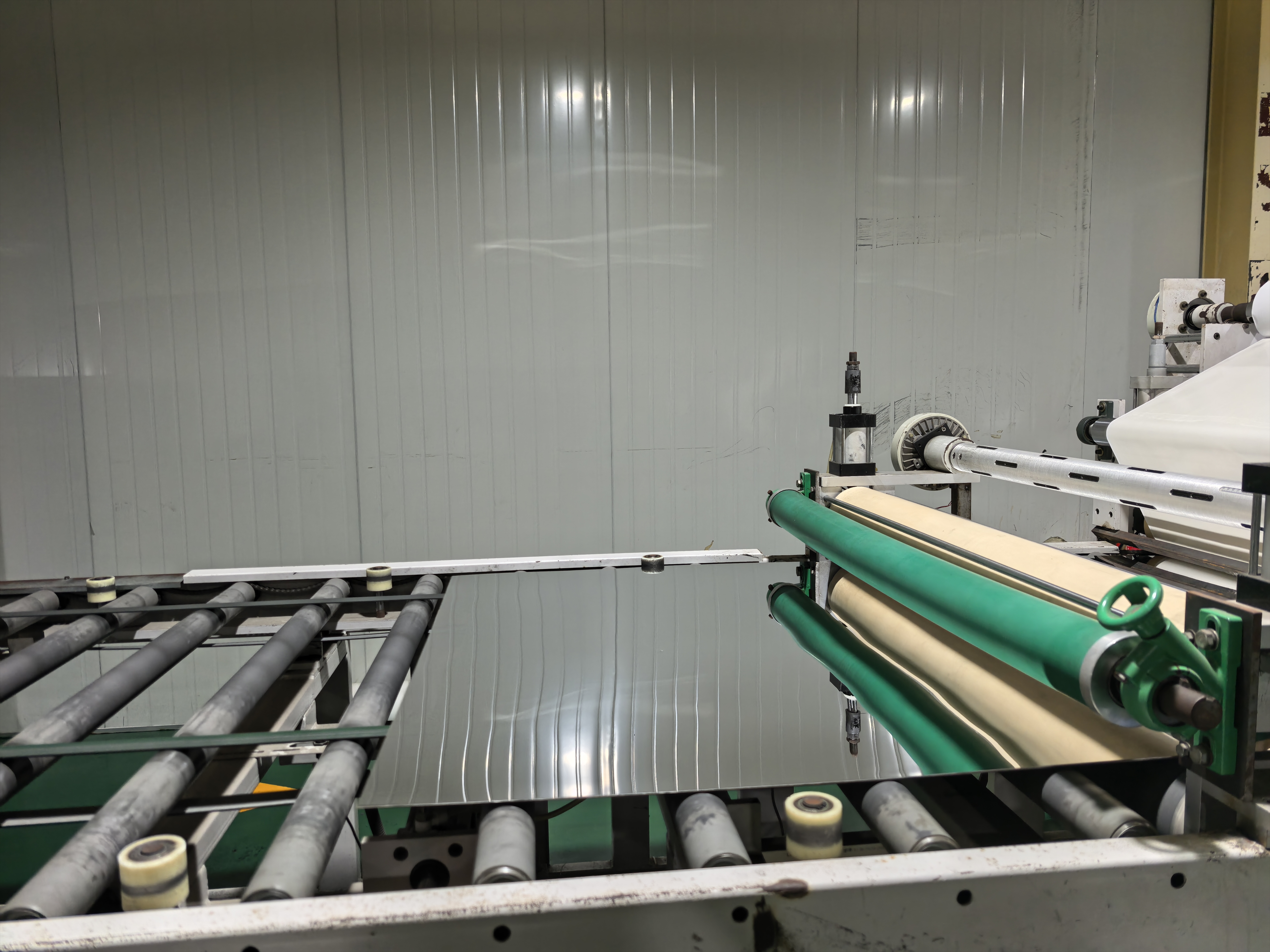
Procurement teams face questions about lead times, batch consistency and warranty expectations. The global mirror sheets market has shown consistent growth, and a significant portion of that expansion is attributed to acrylic variants, which now account for a large share of total demand. The supply base has matured: automated casting and coating lines, reliable vacuum metallization techniques, and standardized protective films reduce variability between batches. These process improvements lower the risk of color or reflectance mismatch across multi-site rollouts, which is a critical concern for brands seeking visual uniformity across dozens or hundreds of locations. Investing time in supplier qualification around these manufacturing capabilities pays off in fewer installation delays and less post-installation remediation.
Field teams appreciate materials that simplify installation. An acrylic plexiglass mirror is lighter than glass and can be handled in larger sheets without specialized lifting equipment, which shortens scaffold time and reduces on-site safety risk assessments. The material also tolerates minor misalignments better; it does not shatter under impact and can be trimmed or reworked on site when necessary. For pop-up experiences and itinerant exhibitions, where turnaround is measured in hours or days, that tolerance becomes decisive. Packaging innovations and pre-applied protective films further ensure panels arrive with minimal surface blemishes, reducing the need for replacement stock or last-minute touch-ups. These small efficiencies compound across the lifecycle of display props, improving overall operational metrics.

Budget conversations rarely end at material list prices. A perspex acrylic mirror often lists at a lower unit cost than comparable glass mirror solutions, but more importantly, it reduces indirect costs. Lower damage rates in transit, cheaper handling, and reduced need for specialized installers all push the true cost of ownership down. Where displays must be durable enough to survive repeated public interaction or frequent repackaging for touring exhibits, the impact resistance of acrylic mirror sheets prolongs service life and reduces the frequency of replacements. When procurement teams run project-level cost models that include freight loss, labor, and downtime, acrylic options frequently outperform glass over the medium term.

Circular design considerations are changing procurement specifications. Designers and procurement managers target materials that enable reuse and reduce waste. Acrylic mirror panels, when processed and specified correctly, can be recovered and repurposed within exhibition or retail networks. Advances in more environmentally mindful PMMA formulations and improved end-of-life handling practices are reducing the environmental differential between plastics and alternative materials. While sustainability debates continue across the industry, projects that prioritize modularity, reuse and lower transport emissions find acrylic mirror a practical fit because it allows lighter loads and fewer shipments across dispersed store networks. For brands seeking to demonstrate responsible sourcing, the ability to quantify lower transport-related emissions and to design for reuse can be as persuasive as upfront material claims.
Recent market analyses indicate the mirror sheets segment is on a steady upward trajectory, with forecasts anticipating continued growth through the end of the decade. Analysts attribute this expansion to both aesthetic demand in retail and functional demand in public and commercial interiors. Reports show that mirror sheets represent a substantial portion of the broader mirror market, with acrylic-based products capturing a growing share due to their fabrication flexibility and safer handling profile. These macro trends align closely with what display manufacturers are witnessing on project pipelines: more frequent requests for mirrored treatments, a higher proportion of large-format orders, and increasing acceptance of acrylic as the material of choice.

Successful deployments reveal tactical patterns. Luxury brands often use mirrored plinths and inset panels to amplify lighting schemes and to craft a sense of depth in small footprint stores. Mass-market retailers use mirrored surfaces sparingly to add focal contrast, usually on checkout islands or promotional gondolas where reflective surfaces increase perceived product prominence. Event producers create modular, mirrored frames that are quick to outfit and can be redeployed across different shows. In each example, product teams balance aesthetic goals with operational constraints: a mirrored prop that demands extra transport crates or specialist handlers loses its commercial appeal. The acrylic mirror’s balance of high-impact appearance with practical handling keeps it in the favorable column for multiple categories of brand assignments.

Experienced buyers evaluate supplier capabilities across three vectors: specification consistency, delivery repeatability, and post-delivery support. Specification consistency means the supplier can deliver acrylic mirror sheets with predictable reflectance, thickness tolerance, and surface flatness at scale. Delivery repeatability means the supplier maintains stock or predictable lead times for large or recurring orders. Post-delivery support covers protective packaging, guidance on adhesive selection for mounting, and clear recommendations for handling and storage. Suppliers who document best practices for installation and who offer customization—such as pre-cut sizes, drilled mounting points, or edge finishing—enable faster installation and fewer surprises at the point of use. These service layers frequently determine whether a material choice becomes the standard across a client’s store network or event program.
Mirror usage in display props continues evolving. Expect more integration of mirrored elements with LED lighting and interactive sensors, and more hybrid assemblies that mix mirrored panels with matte modules to direct attention strategically. As fabrication techniques continue to refine, larger, seamless panels will become more practical and affordable, broadening the scale at which designers deploy mirrored surfaces. The perspex acrylic mirror, because of its blend of safety, adaptability and aesthetic potency, will likely remain a core material in these innovations. Suppliers who keep investing in coating quality, dimensional control and logistics optimization will be best positioned to capture the next wave of specification shifts.
The rapid rise of acrylic mirror in display props reflects a convergence of design ambition and pragmatic production thinking. For brands and agencies focused on visual impact without operational burden, the choice of mirrored acrylic materials offers a reliable route to stronger displays, faster turnarounds and lower lifecycle costs. As market momentum continues, procurement teams that align early with capable acrylic suppliers will find they can iterate faster, deliver consistently and scale mirrored design across programs with confidence.


