

Views: 0 Author: Site Editor Publish Time: 2025-12-09 Origin: Site


Laser cutting has transformed the workflow of modern signage, and the rise of reflective materials such as acrylic mirror plays a key role in this evolution. A mirror acrylic sheet for laser cutting offers unique visual impact and a strong presence under both natural and artificial lighting. When brand environments require sharp, premium aesthetics, acrylic mirror becomes a reliable option that elevates signage beyond basic two-dimensional panels.
Fabricators appreciate that acrylic mirror is far more lightweight than glass, reducing installation effort and handling risk. When custom shapes require tight geometry, acrylic mirror cut to size eliminates manual trimming and prevents surface defects that might occur on-site.

Acrylic mirror sheets are built with a reflective coating bonded to the rear surface of the acrylic substrate. This construction interacts with laser heat quite differently than clear acrylic. The beam must be controlled to retain the mirror clarity while delivering crisp profile edges. Fabricators specializing in acrylic mirror understand how to set laser focus and speed so that reflective performance remains smooth and distortion-free.
Laser-cut edges typically come out glossy and accurate, reducing post-finishing steps. As a result, digital files can be sent straight to production, minimizing human intervention and eliminating early-stage surface damage.

Signage produced from mirror acrylic sheet for laser cutting often becomes a focal point in retail, exhibitions, and hospitality venues. The reflective surface encourages viewer interaction as movement shifts brightness and reflection angles. Even simple lettering gains depth and perceived value when rendered using silver, gold, or colored acrylic mirror.
The material’s personality enhances branding environments where attraction and visibility are paramount. Visual expression like stacked lettering, layered patterns, and edge-lit interfaces can all be achieved while maintaining elegant precision.
Laser cutting supports accurate and repeatable fabrication, which is vital when producing multiple signage sets. Dimensional tolerances remain stable across large orders, ensuring that acrylic mirror cut to size will align perfectly during installation. This predictability allows design studios to promise identical results, whether a single logo is needed or hundreds of replicated pieces.
Computer-controlled workflows streamline transitions from concept to physical product, enabling faster delivery schedules and reducing labor cost per sign.

The lightweight and shatter-resistant nature of acrylic mirror brings advantages to gyms, dance studios, and busy commercial environments. Traditional mirrors risk injury if broken, while acrylic mirror maintains structural integrity even under accidental impact. Laser-cut edges remain smooth and safer to touch when compared with routed or hand-polished finishes.
Transport and setup teams also benefit from reduced weight and increased durability, especially for suspended signage or temporary installations.

Complex geometries that are difficult to achieve through manual cutting become simple with laser technology. Designers may integrate interlocking elements, precision joints, or layered decorative components that fit seamlessly. For illuminated signage, laser engraving on the reverse of the mirror layer enables controlled light diffusion, producing glowing effects without direct exposure to the reflective face.
This combination of cut and engrave functions allows innovative exploration that pushes signage design into creative new territory.
Mirror acrylic sheets require careful handling. Protective films should remain in place to prevent scratching, yet laser heat buildup must still be managed. Adjusted operational parameters can protect the reflective coating from edge lift or warping. Premium coatings show better resistance during cutting, which is why choosing the right grade of acrylic mirror matters in signage expected to endure public use.
After cutting, removing residue and ensuring proper ventilation during processing helps maintain a clean, polished surface ready to display.
Mirror acrylic signage performs well with LED illumination techniques like edge lighting or backlighting. Designers must, however, consider heat dissipation and mounting structures to keep the reflective layer stable over time. When acrylic mirror cut to size includes installation features like alignment slots or bend lines, the sign fits more precisely into architectural systems and maintains long-term alignment.
Compatibility with adhesives and backing materials strengthens bonding security and prevents reflective distortion.
Laser processing eliminates tool wear and expensive router setups, bringing cost efficiency to custom signage or small batch orders. Manufacturers appreciate that digital adjustments allow rapid iteration without creating new tooling. These advantages empower branding teams to respond quickly to seasonal visual changes or promotional campaigns without extended lead times.
Acrylic mirror sheets therefore support a dynamic business environment where speed and adaptability are valuable.
As sustainability receives more focus from global brands, signage suppliers evaluate materials for environmental impact and recyclability. While mirror acrylic contains a metallized layer, manufacturers are increasingly offering improved formulas with traceability and better waste handling options. Lightweight structures reduce transportation emissions, contributing positively to overall project sustainability metrics.
To deliver consistent results, buying high-quality acrylic mirror sheets from experienced suppliers remains essential. Technical documentation regarding thickness tolerance, optical quality, and recommended laser settings allows fabricators to avoid errors and material waste. For architectural and business interiors alike, engineers and designers favor acrylic mirror cut to size that aligns closely with their performance expectations.
Professional guidance ensures that every sign produced limits defects and maintains long-lasting reflective brilliance.
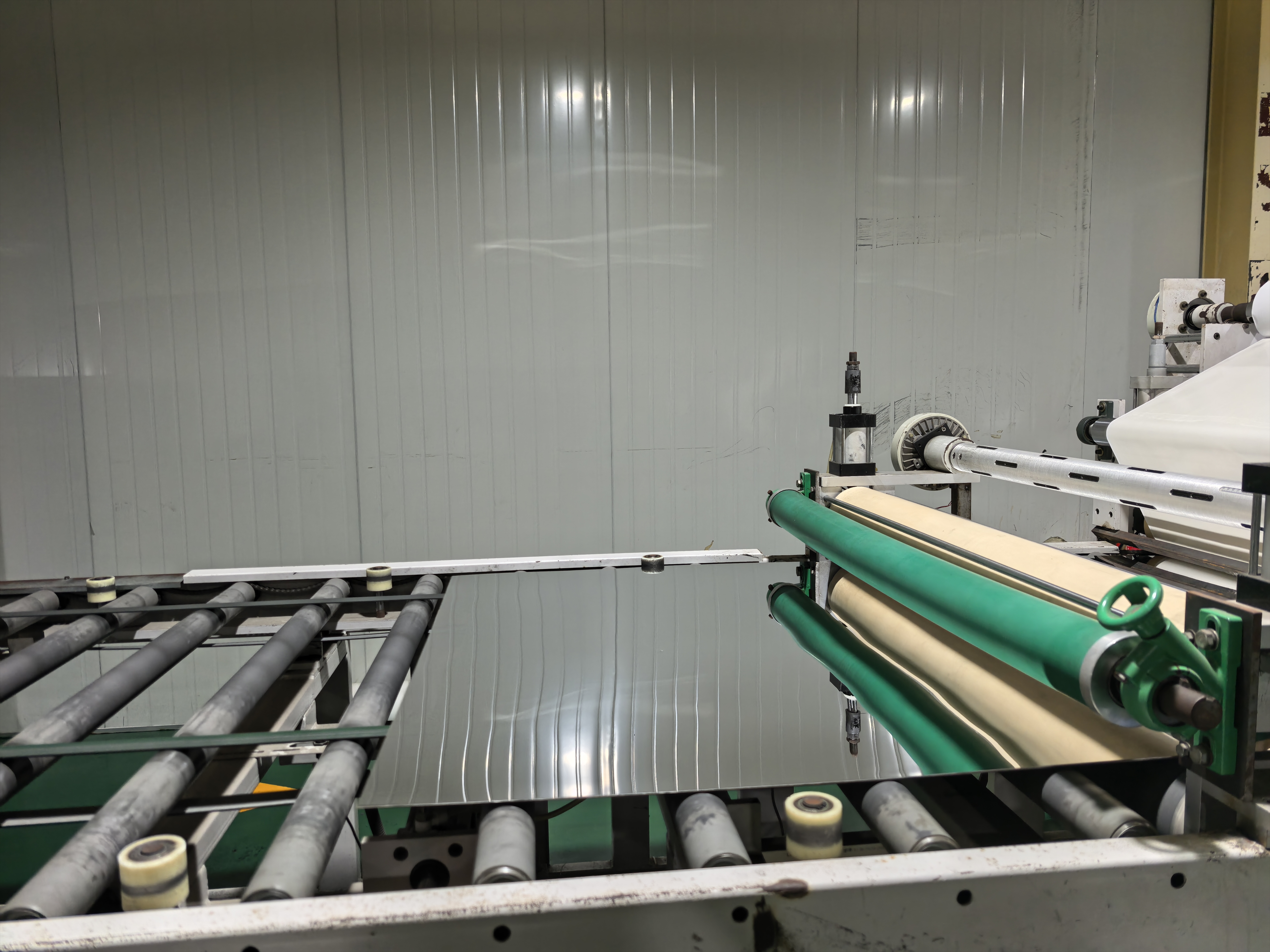
The partnership between acrylic mirror and laser cutting technology has become a foundation of contemporary signage production. The material provides visual sophistication, reliable performance, and smooth fabrication, while lasers ensure accuracy and efficiency. Whether for impactful brand displays or delicate architectural lettering, mirror acrylic sheet for laser cutting enables designers and production teams to meet aesthetic goals with confidence.
As signage continues evolving toward experiential and interactive communication, the reflective power of acrylic mirror will remain a valuable tool that enhances how people notice and engage with visual information in public spaces.


